The Painter Who Signed His Name Twice
30th October 2025
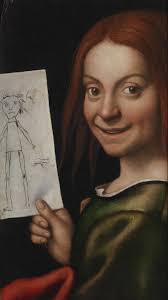
In the late Renaissance, some painters, anxious about imitation and eager to preserve authenticity, began to sign their works twice. One signature appeared where all could see, a mark of authorship and pride. The other was hidden beneath the paint, applied in the underlayer before the final glazes. It was invisible to the viewer, but unmistakable to the artist.
This hidden signature was not for display. It was a quiet assertion of truth, a safeguard against distortion and deceit. Should the outer mark ever be forged or faded, the inner one would remain, unchanged, beneath the surface.
At Foreign Tongues, we find something deeply resonant in this practice.
Translation, too, bears two signatures.
The visible one is the text itself, the words that appear on the page, fluent and clear. But beneath that lies the invisible signature: the translator’s fidelity to the source, the unseen integrity that ensures every tone, intent and subtle inflection remains true to the original.
When this balance is respected, communication retains its authenticity.
When it is not, the work may look convincing, yet ring hollow.
True translation, like true art, honours both signatures. The visible one the world reads and the invisible one that safeguards its meaning.
At Foreign Tongues, we ensure both remain intact – so that what you say and what you mean, are always one and the same.
