Some Languages Have No Word For “Please”
26th May 2026
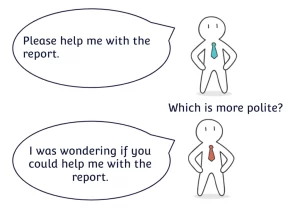
English speakers often think of politeness as something attached to individual words.
“Please.”
“Thank you.”
“Sorry.”
These terms function almost like social lubrication: small verbal signals that soften requests and maintain harmony.
But not all languages organise politeness this way.
And some do not contain a direct equivalent for “please” at all.
Politeness Exists Differently
This does not mean speakers are rude.
Far from it.
In many languages, politeness is built into:
- grammar
- sentence structure
- tone
- hierarchy
- indirectness
Respect may be communicated through:
- verb endings
- levels of formality
- avoidance of direct requests
- careful phrasing
The social intention exists perfectly clearly.
It is simply carried differently.
Why Literal Translation Often Fails
This is one reason literal translation can produce strange emotional effects.
A sentence translated word-for-word may become:
- unexpectedly cold
- overly formal
- awkwardly intimate
- unintentionally rude
Not because the translation is technically wrong.
But because politeness systems rarely map neatly between cultures.
English and Verbal Softening
English relies heavily on verbal markers:
- “please”
- “would you mind”
- “if possible”
- “sorry to bother you”
Without them, English can sound unusually abrupt.
Other languages may rely less on explicit softening because respect is already embedded structurally.
Language as Social Architecture
Language does more than communicate information.
It quietly organises:
- status
- respect
- emotional distance
- social harmony
And when languages meet, these systems rarely align perfectly.
At Foreign Tongues, understanding these hidden structures sits at the centre of successful international communication.
Because politeness is not universal.
Only the human need behind it is.
